
Blog
Why People Delay Getting Hearing Aids?

By Smita Singh M.S.CCC-A
When someone is diagnosed with high blood pressure or diabetes, they usually begin treatment right away. Medication is started, follow-up visits are scheduled.
But when the diagnosis is permanent hearing loss, the response is often very different.
Many people hesitate.
Why? Some worry about stigma. Others think their hearing “isn’t that bad.” Some have heard stories about hearing aids not working well years ago. And many simply don’t realize how much they are missing.
Hearing loss typically develops gradually. The brain adapts. Conversations become slightly harder to follow. Background noise becomes more frustrating. The television volume slowly increases. Because the change happens over time, it rarely feels urgent.
One of the most common things patients say after being properly fit with hearing aids is:
“I didn’t realize how much I was missing.” You can’t miss what you don’t hear. That’s why so many people wait years before seeking help.
But hearing loss affects more than communication.
Research has linked untreated hearing loss to cognitive decline, dementia, depression, and social isolation. When the brain is deprived of sound, it works harder to interpret incomplete information. Over time, this added strain can affect overall well-being.
Recently, there has been growing interest in over-the-counter (OTC) hearing devices. While FDA-regulated OTC options are designed for adults with perceived mild to moderate hearing loss, hearing loss should not be self-diagnosed. It is very common to underestimate its severity.
Two people with “mild to moderate” hearing loss may have very different hearing patterns. Proper evaluation determines:
The degree of hearing loss
- Which frequencies are affected?
- Whether medical conditions are involved
- What level of amplification is safe and effective?
Hearing devices are medical tools—not simple electronics. The right fit, programming, and follow-up care make all the difference.
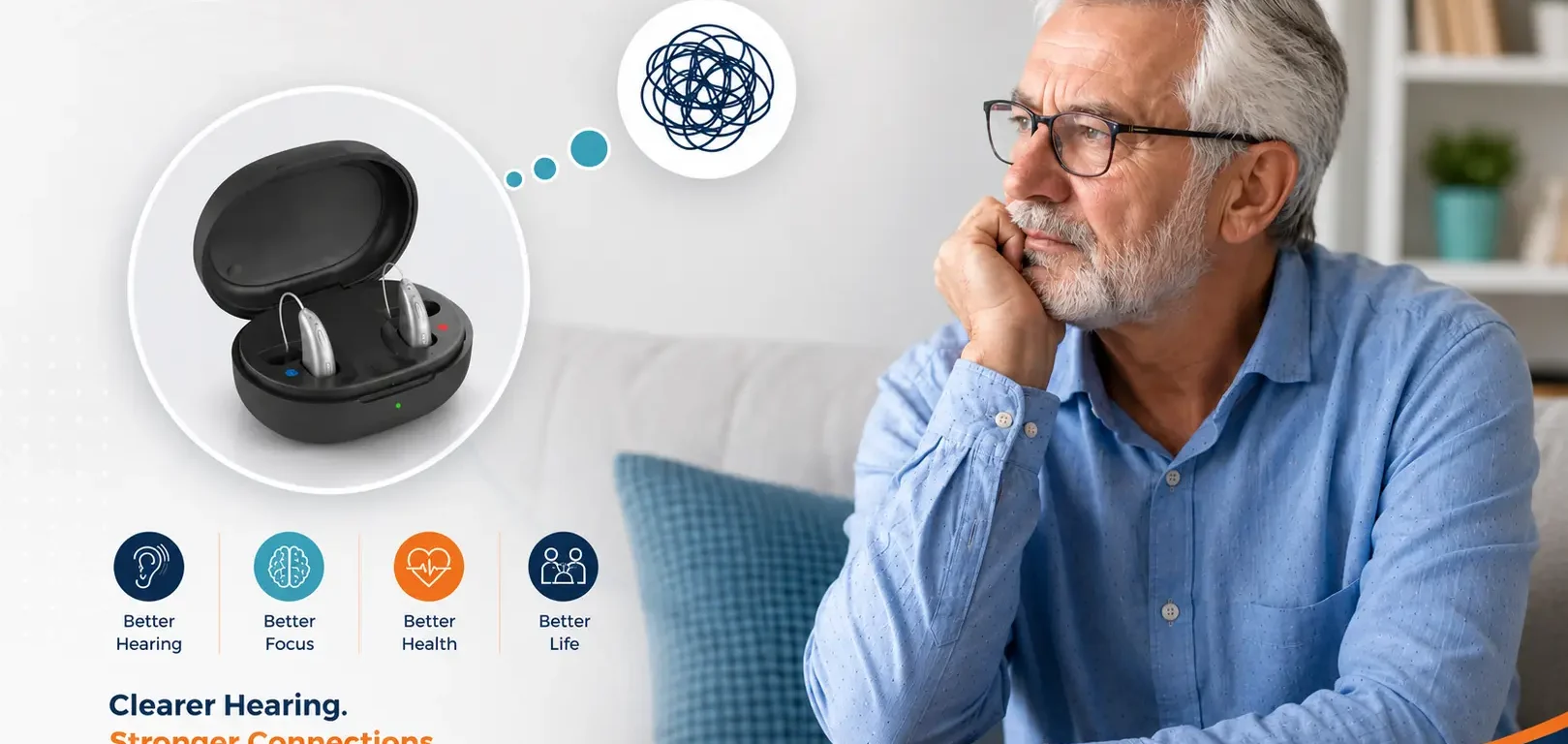
The good news? Today’s hearing technology is smaller, more comfortable, and more advanced than ever before. And when intervention happens earlier, adaptation is easier and outcomes are better. If you’ve noticed changes in your hearing—or if a loved one has mentioned concerns—the first step is a comprehensive hearing evaluation.
At Excel Audiology, we are committed to personalized, evidence-based hearing care. Our goal is not just to improve your hearing, but to protect your long-term cognitive and emotional health.
Don’t wait until communication becomes exhausting. Schedule your hearing evaluation today and take the first step toward clearer hearing and stronger connections.